Gastrobotany School
Gastrobotany training focuses on improving knowledge about the use of wild plant resources (plants or algae) and the world of fungi and mushrooms for their use applied to gastronomy in a broad sense.
The training has a scientific basis and includes the most typical aspects of basic botany associated with knowledge of ecology, their adaptation to different climates and habitats, scientific classification, the main groups or families, as well as details of the physical structure and chemical composition. At the same time, we will delve into their link to the world of cooking, through learning about their various uses and their potential use in the preparation of dishes or drinks, always from an open perspective to the different interpretations of the most traditional to the most contemporary of cuisine that may include: cooking with a focus on health, raw cooking, cocktail making, signature or more creative cuisine.
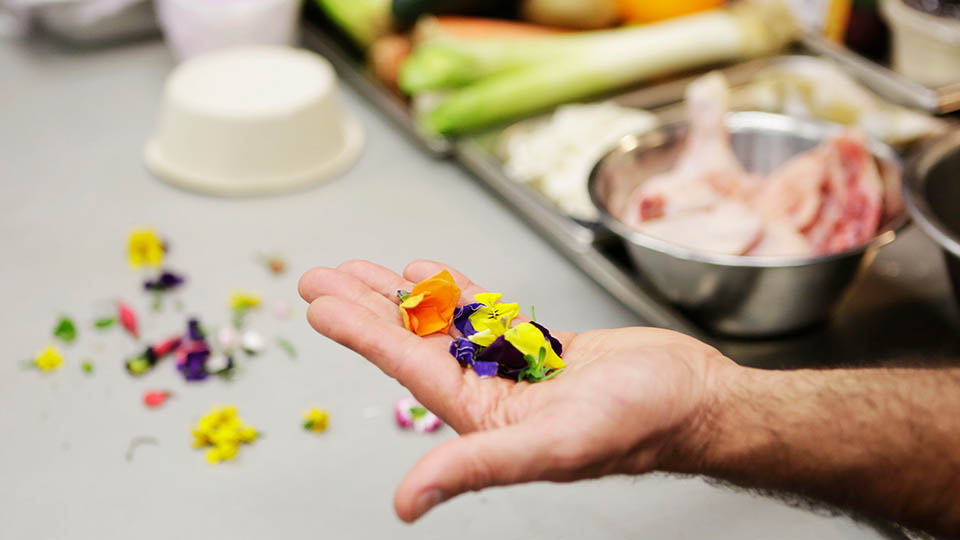
Introduction to Gastrobotany
Use of wild plants applied to gastronomy
Training Objectives:
This course will provide basic knowledge about the use of edible wild plants found in different natural environments around the world, depending on the course location.
The course is designed to equip participants with fundamental knowledge related to the world of wild plants and their relationship to different environments and climates.
Participants will learn to understand the relationship between wild ingredients and their environment: their adaptation, their natural characteristics as unprocessed, locally-sourced foods, how to ensure their safe use, their edible parts, their botanical classification, their chemical composition, and their various culinary applications, ranging from the most traditional to the most contemporary, as well as the process from harvesting to preservation.
Finally, students will learn to easily distinguish the main families—and the most common species—of plants found in their immediate surroundings, applying this knowledge to the culinary field.
This course aims to provide theoretical knowledge that is also highly applicable to different types of cuisine—from health-focused to molecular and haute cuisine, etc.—that are currently available.
It is primarily aimed at professionals in the culinary field, the hospitality and restaurant industry, front-of-house staff, sommeliers, nutritionists, and those in the education and training sectors related to the industry, as well as entrepreneurs.
Duration: 1 to 5 days

Gastrobotany applied to the world of cocktails
Training Objectives:
This course will provide basic knowledge about the use of edible wild plants found in different natural environments around the world—depending on the course location—applied to their use in liquid gastronomy, primarily in the world of cocktails.
The course is designed to equip participants with fundamental knowledge related to the world of wild plants and their relationship to different environments and climates.
Participants will learn to understand the relationship between wild ingredients and their environment: their adaptation, their original characteristics as unprocessed locally sourced ingredients, how to ensure their safe use, useful parts, their botanical classification, chemical composition, and their various applications, from the most traditional to the contemporary, as well as their preservation.
Finally, students will learn to easily distinguish the main families—and the most common species—of plants found in their immediate surroundings, applying this knowledge to the culinary field.
This course aims to provide theoretical knowledge that is also highly applicable to different aspects of liquid gastronomy.
It is primarily intended for: professionals in the hospitality and restaurant industry, including sommeliers, waiters, bartenders, mixologists, educators, and entrepreneurs.
Duration: 1 to 4 days
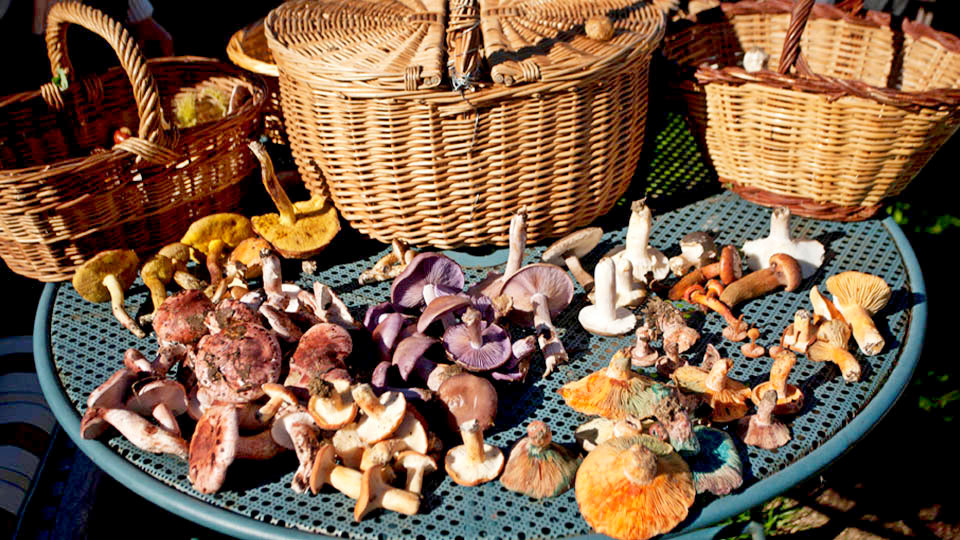
Gastrobotany: use of wild fungi and mushrooms in gastronomy.
Training Objectives:
This course will provide basic knowledge about the use of edible wild fungi and mushrooms found in different natural environments around the world, depending on the course location.
The course is designed to equip participants with fundamental knowledge related to wild mycology applied to cooking.
Participants will learn to understand the classification of fungi and mushrooms, their characteristics as a kingdom, their original features as unprocessed foods native to the region, how to ensure their safe use, useful parts, their chemical composition, and their various culinary applications, from traditional to contemporary, as well as from harvesting to preservation.
Finally, students will learn to distinguish the main groups, families, genus, and the most well-known species found in their immediate surroundings, using clear and accessible language applicable to the culinary field.
This course aims to provide theoretical knowledge that is also highly applicable to different types of cuisine—from health-focused to molecular and haute cuisine, etc.—that are currently available.
It is primarily aimed at professionals in the culinary field, the hospitality and restaurant industry, front-of-house staff, sommeliers, nutritionists, and those in the education and training sectors related to the industry, as well as entrepreneurs.
Duration: 1 to 5 days
All training courses are aimed at including different professional profiles related to the world of gastronomy, gastrotourism, agriculture, and various cultural disciplines that are related to natural environments from both a generic and specialized perspective, aimed at different types of audience.
The training method is based on a holistic, dynamic and participatory approach that includes both the transmission of theoretical knowledge and reflection and practice in classroom exercises, with field trips and cooking, always using plain and understandable language.
Each course will adapt to the environment – both natural, climatic and cultural – where the training takes place.
All training is developed by Naturalwalks and is based on the experience of the teaching team and their specialized knowledge in their respective fields.