Guide School
Tourism-related training focuses on improving the quality of activities based on the role of the guide, as well as associated services and products.
All training programs are designed to include different professional profiles related to tourism and guiding, taking place in natural and cultural environments from both a general and specialized perspective, aimed at diverse audiences.
The training method is based on a holistic, dynamic, and participatory approach that includes both the transmission of theoretical knowledge as well as reflection and practice in exercises covering topics such as types of tourism, client profiles and associated products, and the guide’s relationship with other professions.
At the same time, the training includes learning techniques related to group management, activity organization (logistics), support materials, and other more specialized areas of knowledge.
Ecotourism and Nature guiding
Training Objectives:
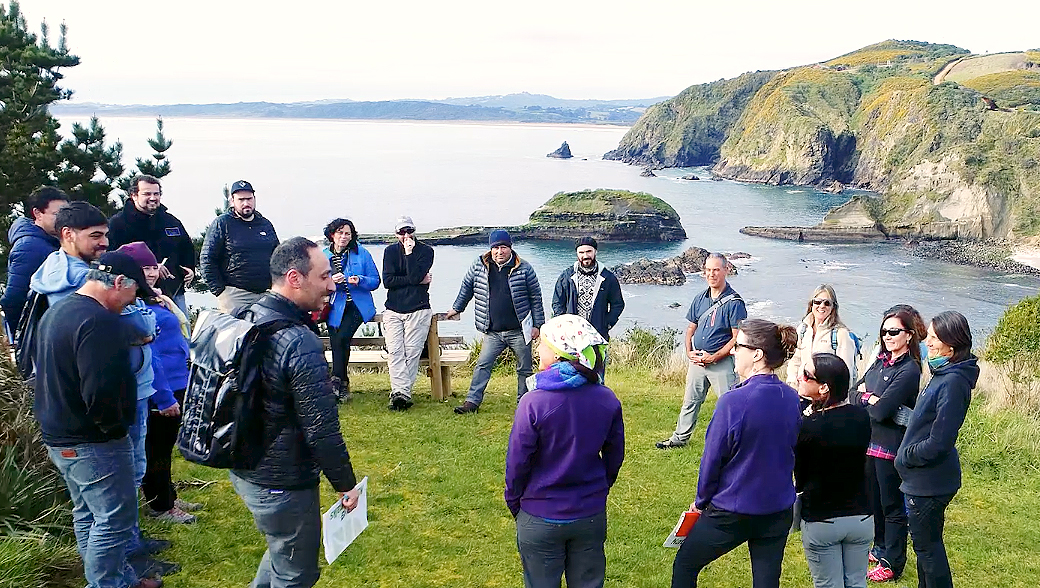
This course focuses on learning the fundamentals of guiding in natural environments, where nature is the primary focus of the activity and the main interest of the public. It explores the relationship between nature and cultural heritage, the type of tourism associated with nature, and the target audience for each case.
The course is aimed at a diverse audience, including professionals in heritage and land management, tourism management, park rangers and conservation, education and training, information services, interpretation and guiding, businesses, and entrepreneurs.
The course will cover the fundamentals of nature-related tourism, especially ecotourism or nature tourism, product types, and the profile of associated clients.
We will delve into defining the profession of guiding, its relationship with other associated professions, and the essential qualities and characteristics of guides.
We will analyze the potential and interpretive use of natural resources (biotic and abiotic: geology, flora, fauna or fungi, meteorological or climatic phenomena, or ecosystems). We will identify the potential and limitations of each element, their relationship with one another, their connection to the guided tour, and their potential for interpretation, as well as the various associated cultural expressions (architecture, gastronomy, history, folklore and art, religious or spiritual aspects, etc.).In-depth knowledge of each resource will be offered in specialized courses.
Finally, we will lay the foundation for the structure of a professional guide, the basics for creating a guided activity from different technical perspectives: on-site route design, safety, identification of heritage elements, and sustainability criteria.
The specialized courses will delve deeply into guiding techniques related to each resource and how to interpret them.
Duration: 2–3 days
Enotourism:
Guiding around wineries and vineyards
Training Objectives:
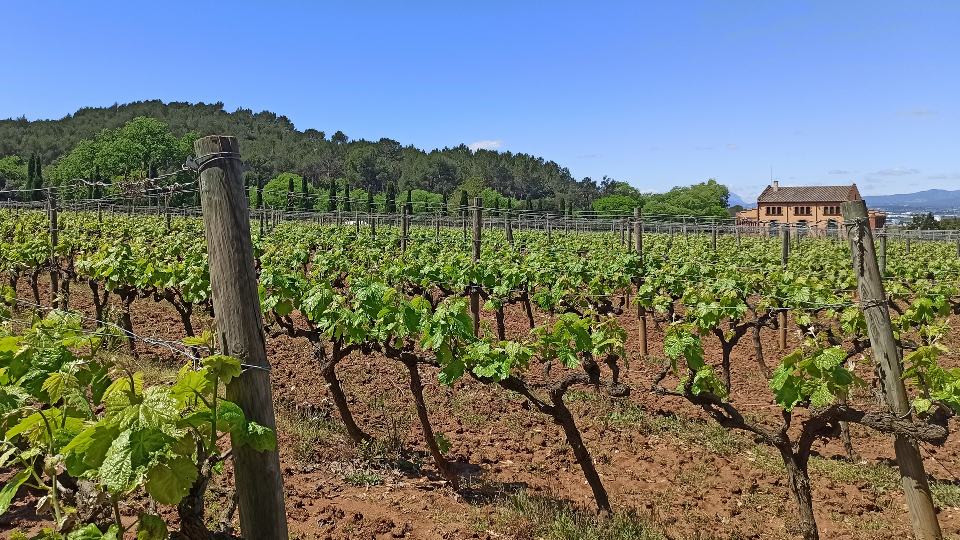
This course focuses on learning the fundamentals of guiding tours in environments linked to the world of wine and associated spirits—sparkling wine and other spirits—and liquid gastronomy.
The course is aimed at a diverse audience, including professionals in: heritage and land management, management of wine tourism routes and clubs, winery owners and employees, restaurants, information services, interpretation, and guiding services, business owners, and entrepreneurs.
The course will cover the fundamentals of tourism related to wine tourism and culinary tourism, including the types of products and the target profiles of the customers associated with them.
We will delve into defining the profession of guiding, its relationship with other associated professions, and the essential qualities and characteristics of guides.
We will analyze the potential and interpretive use of natural and cultural resources associated with the project or its surroundings. At the same time, we will explore the necessary facilities and services available: wineries, tasting rooms, production, storage and sales areas, catering or accommodation services, vineyards, and the natural surroundings.
We will identify the potential and limitations of each element, their interrelationships, their connection to guided tours, and their potential for interpretation, as well as the various associated cultural expressions (architecture, gastronomy, history, folklore and art, religious or spiritual aspects, etc.).
Finally, we will lay the foundation for the structure of a professional guide, the basics for creating a guided activity from different technical perspectives: on-site route design, safety, identification of heritage elements, and sustainability criteria.
For each type of resource, a course will be designed to suit the specific conditions of the project and the type of environment.
Duration: 2-3 days
Gastronomic tourism:
Guiding from the land to the gastronomic product
Training Objectives:
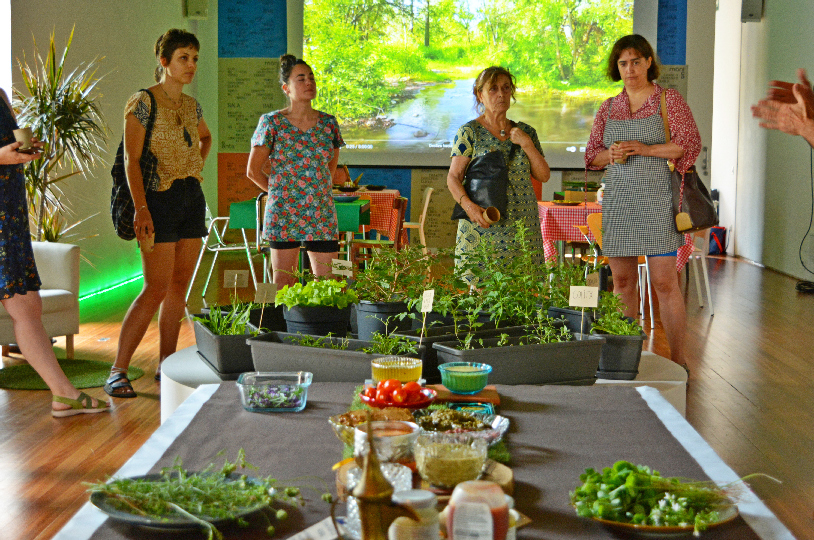
This course focuses on learning the fundamentals of guiding in settings involving crops, agricultural areas, or food-related production where the local region is linked to the specific products grown or produced there, such as: olive oil, fruit, truffles, rice, coffee, cocoa, nuts, fish, etc.
The course is aimed at a diverse audience, including professionals in heritage and land management, tourism management, primary sector businesses, conservation, education and training, information services, interpretation and guiding, business owners, and entrepreneurs.
The course will cover the basics of different types of tourism related to agritourism—and their variations: olive oil tourism, truffle tourism, fruit tourism, coffee tourism, fishing tourism, etc.—rural tourism, and gastronomic tourism, as well as the types of products and the profiles of the clients associated with them.
We will delve into defining the profession of guiding, its relationship with other associated professions, and the essential qualities and characteristics of guides.
We will analyze the potential and interpretive use of the natural and cultural resources associated with the project or its surroundings. This includes the necessary facilities and services available: tasting rooms, processing, storage and sales areas, catering or accommodation services, crops or production spaces, and the natural environment.
We will identify the potential and limitations of each element, their relationship to each other, to guiding, and their potential for interpretation, as well as the various associated cultural expressions (architecture, history, gastronomy, folklore and art, religious or spiritual aspects, etc.), focusing more on understanding each resource than on in-depth knowledge of it.
Finally, we will lay the foundation for the structure of a professional guide, the basics for creating a guided activity from different technical perspectives: on-site route design, safety, identification of heritage elements, and sustainability criteria.
A course will be designed for each type of resource, tailored to the specific project conditions and environment.
Duration: 2–3 days
Natural and cultural heritage interpretation techniques
Training Objectives:
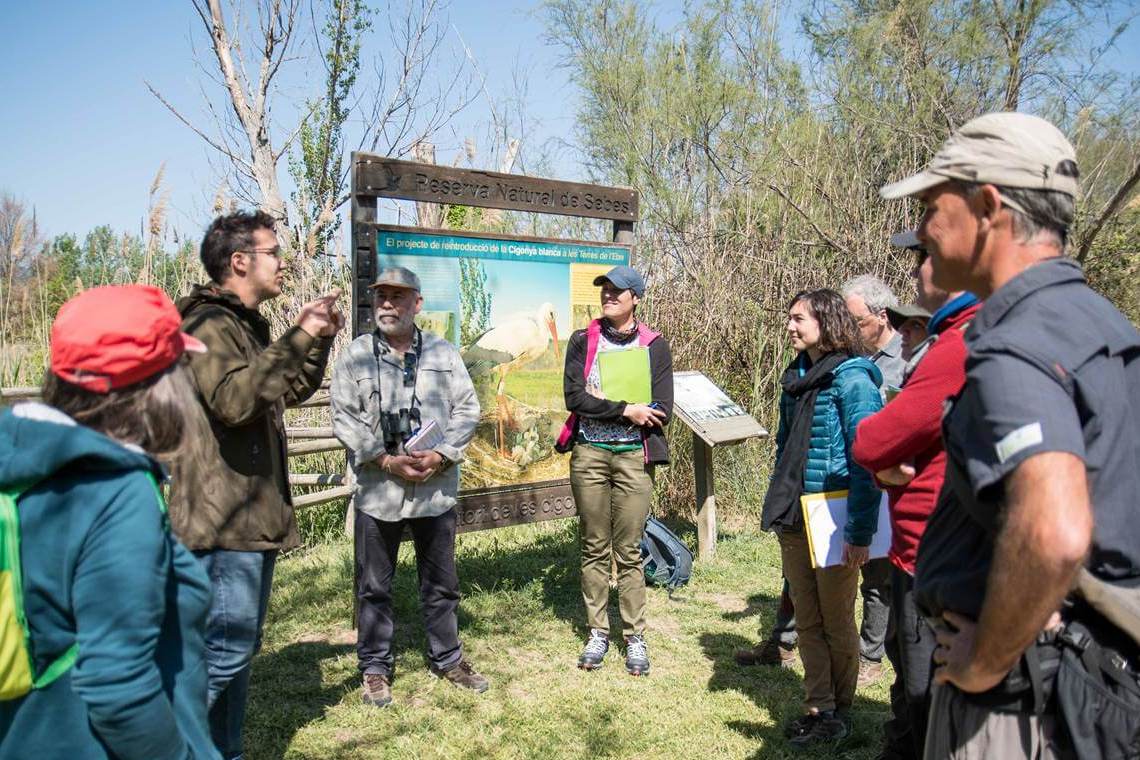
Interpretive techniques form the core of what guarantees quality in guided tours, creating a deep connection with individuals on different levels—emotional, intellectual, sensory, spiritual, and social. This course will delve into heritage interpretation as a field of knowledge and the use of interpretive tools applied to different types of settings, including heritage (both natural and cultural, tangible and intangible) as well as related professional contexts (education, tourist information, land management and conservation, etc).
The course will cover the general context of the origins of interpretation, its foundations and principles, as well as the fundamental tools for the successful development of an interpretive activity: the use of thematic phrases, support materials, diverse activities to create a connection with the audience, audience placement (distribution of the audience in relation to the guide), universal concepts (concepts that can be understood in any culture), working with visual impairments, the structure and organization of an interpretive activity (talks or walks), and the evaluation of an interpretive activity (interpretive critique).
This course is part of the Certified Guide Interpreter (CIG) training program offered by Interpret Europe, of which Evarist March Sarlat has been a trainer since 2014, having conducted 34 courses in various locations across Europe and South America.
Duration: 5 days
How to create impact on a Fam and Press Trip
Training Objectives:
This is training with the aim of providing knowledge, and useful and practical tools that can be applied to different environments, for professionals or entrepreneurs who want to develop their project.
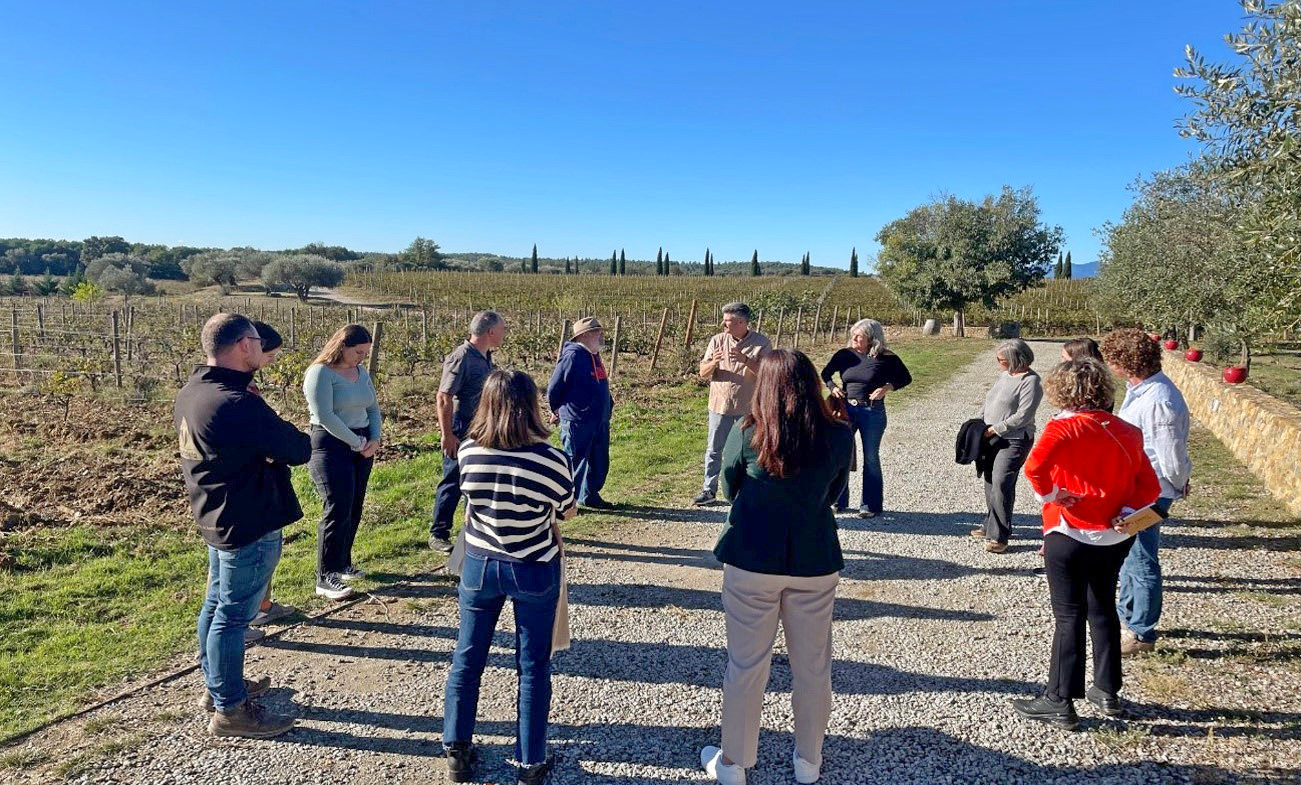
The objective is to improve the general quality of the presentation of activities by making known the basics related to group management, guiding and the use of basic aspects of heritage interpretation, related to generic tourism professionals or in a more specific context, such as wine tourism, gastrotourism, etc.
The training will focus on providing the professional elements to efficiently conduct a guided activity in a pressure context, aimed at potential buyers or various communicators -press or similar- through the fundamentals of guiding and the tools for interpreting natural and cultural heritage.
Group management, guiding and heritage interpretation techniques and their relationship with how the tourist proposals offered are displayed, their originality and therefore the impact they generate on those who want to know them in order to promote them or include them in their offer will be worked on.
Duration: 1 day
Beekeeping guide training
Training Objectives:
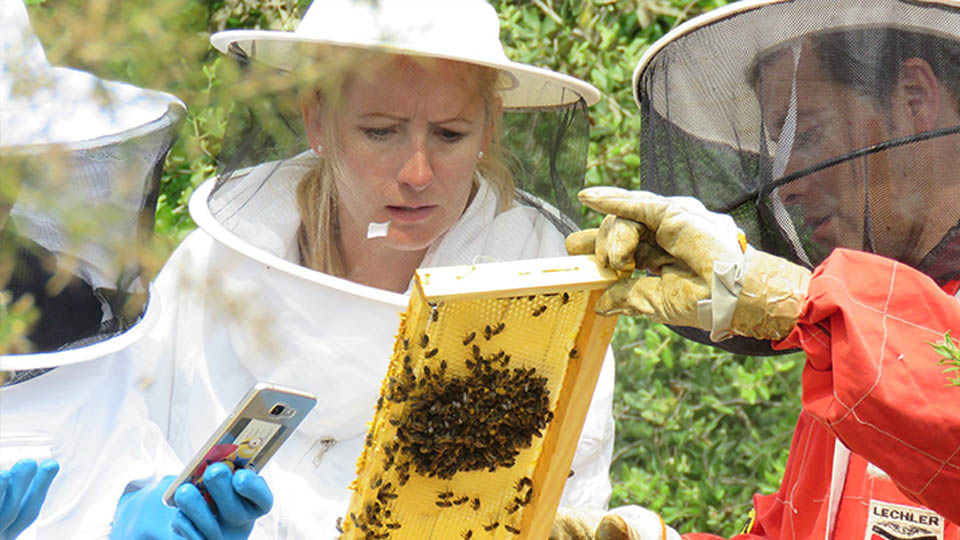
This course focuses on learning the fundamentals of guiding beekeepers in environments specifically linked to beekeeping and the production of honey and other related products.
The course is aimed at a diverse audience, including professionals in: heritage and land management, owners and workers in beekeeping operations, restaurants, information points, interpretation and guiding services, business owners, and entrepreneurs.
The course will cover the basics of tourism types related to apitourism and gastronomic tourism, agritourism and rural tourism, as well as the types of products and the profiles of the customers associated with these sectors.
We will delve into defining the profession of guiding, its relationship with other associated professions, and the essential qualities and characteristics of guides.
We will analyze the potential and interpretive use of natural and cultural resources associated with the project or its surroundings, as well as the necessary facilities and services available: production areas and the natural environment, tasting rooms, storage, and sales.
We will identify the potential and limitations of each element, their relationship to each other, their connection to the guide, and their potential for interpretation, as well as the various associated cultural expressions (gastronomy, history, folklore, art, etc.).
The foundations of professional guiding will be established, providing the basis for creating a guided activity from different technical perspectives: route design, safety, identification of heritage elements, and sustainability.
At the same time, specific content on biology and its relationship with the environment will be included: the biology of bees, the conditions and relationships with the environment, and their relationship with abiotic and biotic factors (vegetation, social relationships with other insects, parasites and predators, and human activity).
Duration:
Geological interpretation of the territory and landscape:
Reading the passage of time:
Training Objectives:
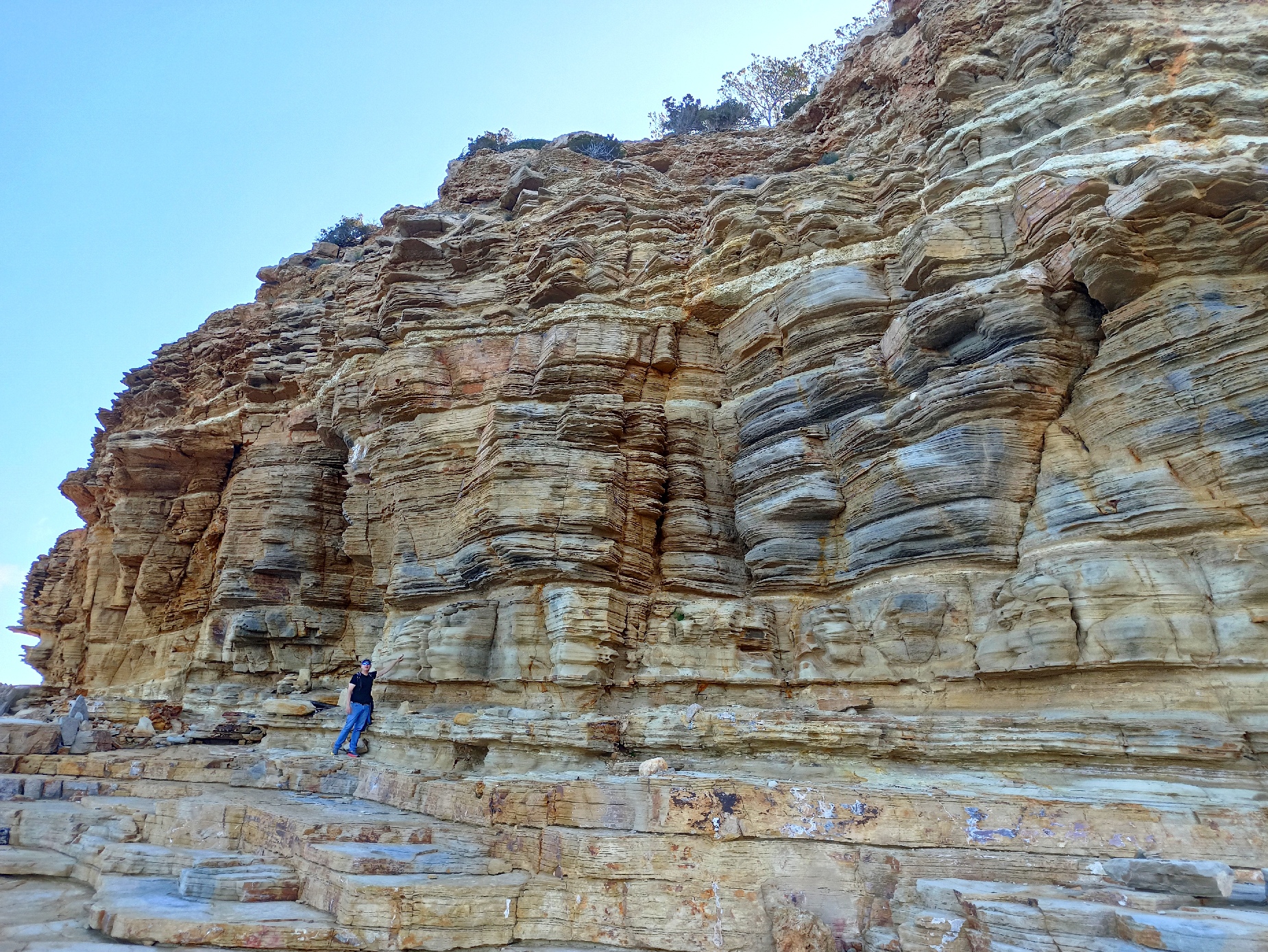
This course is geared towards learning the fundamentals of guiding in environments where geology is the main focus of activity and public interest, its relationship with cultural heritage, and the type of tourism associated with it and the target audience in each case.
The course is aimed at a diverse audience that includes professionals in: heritage and territorial management, especially Geoparks, geology and mining, natural parks, tourism management, park rangers and conservation, education and training, information services, interpretation and guiding, businesses, and entrepreneurs.
The course will cover the fundamentals of the types of tourism related to geology, the types of products, and the profile of the clients associated with them.
We will delve into defining the profession of guiding, its relationship with other associated professions, and the essential qualities and characteristics of guides.
We will work with aspects intrinsically related to geology, such as:
Geological reading of the landscape: identification and interpretation of visible elements, forms, and structures on the ground and in the territory.
Formation of relief and landscape and application of the geological time scale to the current landscape.
Relationship between geology, relief, hydrology, and vegetation.
Translation of geological language into a popular and interpretive discourse.
Construction of interpretive stories based on geology and selection of interpretive points on a route.
Didactic resources to explain geology on guided tours: metaphors, analogies, visual materials and practical observation activities.
Geology, landscape, and culture: influence on human settlements, traditional uses, architecture, and heritage as an element of territorial identity.
Fundamentals of geology applied to the territory: materials, geological processes, and the Earth’s internal and external dynamics.
We will analyze the potential and interpretive use of resources related to geology. We will identify the potential and limitations of each element, their relationship to one another, their connection to the guide, and their potential for interpretation, as well as the various associated cultural expressions (architecture, gastronomy, history, folklore and art, religious or spiritual aspects, etc.), rather than focusing on in-depth knowledge of each resource.
Finally, we will lay the foundation for the structure of a professional guide, the basis for creating a guided activity from different technical perspectives: on-site route design, safety, identification of heritage elements, and sustainability criteria.
In the specialized courses, we will work in depth on guiding each resource and how to interpret it.
Duration: 2–3 days
Design and leading activities in natural environments:
Training Objectives:
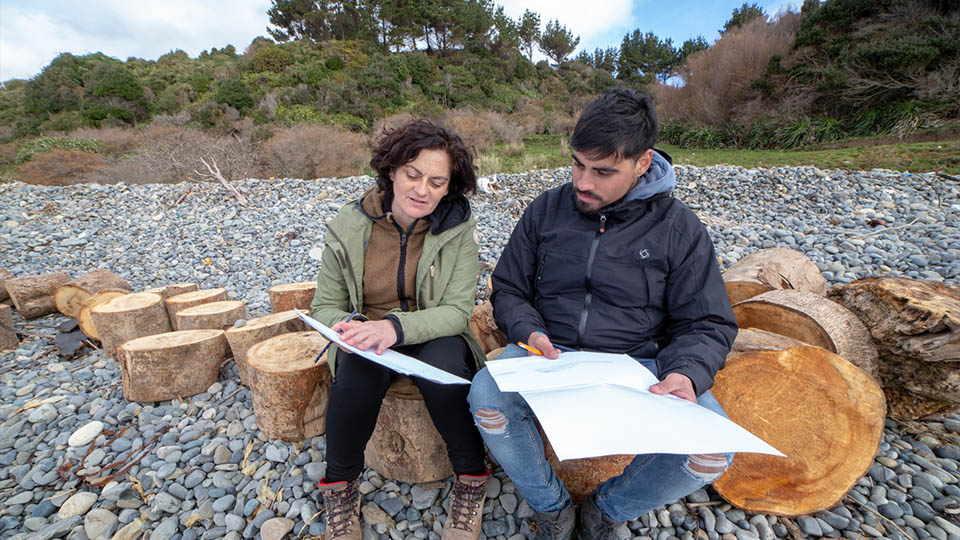
This course focuses on learning the fundamentals of guiding in natural environments from a technical perspective, closely linked to the technical and logistical aspects, regardless of the main focus of the activity or the audience’s interests.
The course is aimed at a diverse audience, including professionals in: natural heritage and land management, tourism management, park rangers and conservation, education and training, information services, interpretation and guiding, business owners, and entrepreneurs.
The course will cover the fundamentals related to the technical design of routes and activities, applied cartography and orientation, planning and weather forecasting, equipment and logistics, safety and risk management, group dynamics and management, and sustainability.
Duration: 2-3 days
Guiding in nature and health:
Basic criteria for leading groups
Training Objectives:
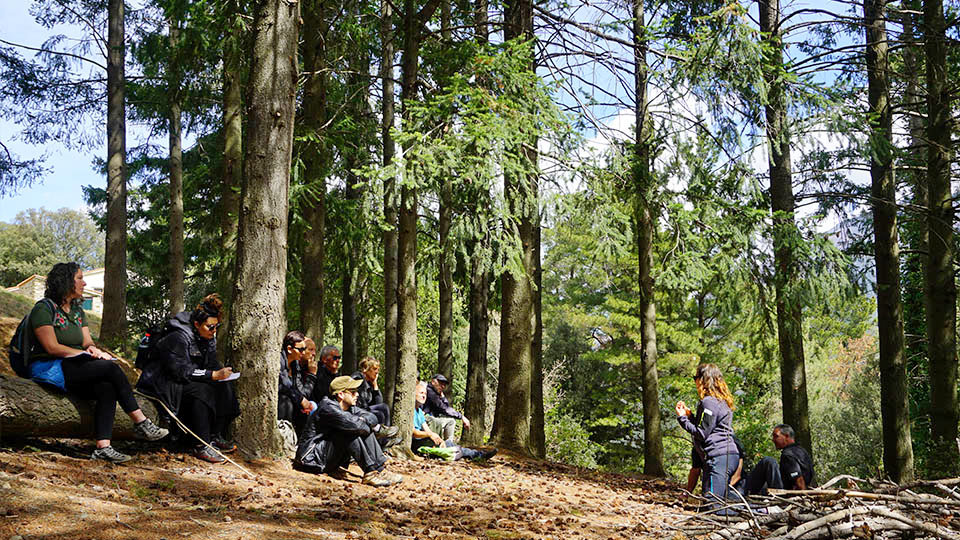
This course focuses on learning the fundamentals of guiding in high-quality natural environments and the relationship between individuals and the living environment as a source of well-being, regulation, and sensory experience.
The course is aimed at a diverse audience, including professionals in heritage and land management, wellness and health tourism managers, education and training, information services, interpretation and guiding, various therapists, business owners, and entrepreneurs.
The course will cover the basics of tourism types related to generating well-being—wellness tourism—in high-quality natural environments, and specifically the types of products and the profiles of the clients associated with them.
We will delve into defining the guiding profession within the context of wellness, its relationship with other related professions, and the essential qualities and characteristics that define guides.
Finally, the course will cover the fundamentals of professional guiding, providing the basis for creating guided activities from various technical perspectives: on-site route design, safety, and sustainability criteria.
Duration: 1–6 days
Tourism product development
Training Objectives:
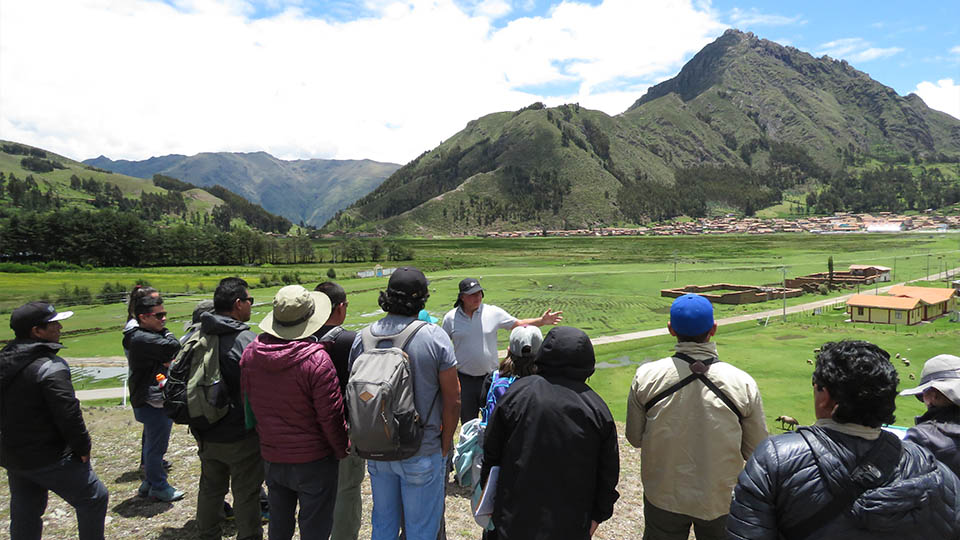
Training in tourism product creation will focus on analyzing the territory—whether private, a specific area or region, or the brand it represents—from the perspective of natural and cultural resources of potential interest.
We will identify the potential and limitations of each element, their interrelationships, their connection to guided tours, and their potential for interpretation, as well as the various associated cultural expressions (architecture, gastronomy, history, folklore and art, religious or spiritual aspects, etc.).
At the same time, we will consider the necessary facilities and services available: tasting rooms, processing facilities, storage and sales areas, catering or accommodation services, crops or production spaces, and the natural environment, depending on each specific case.
We will identify the different types of tourism currently practiced or that we wish to promote, and the target audience profile.
We will work on designing potential activity proposals, primarily based on guided tours and related complementary services.
The courses will be tailored to the specific topic, location, and requirements requested by the client.
Duration: 2 to 3 days, depending on your participation in previous courses.
Other courses:
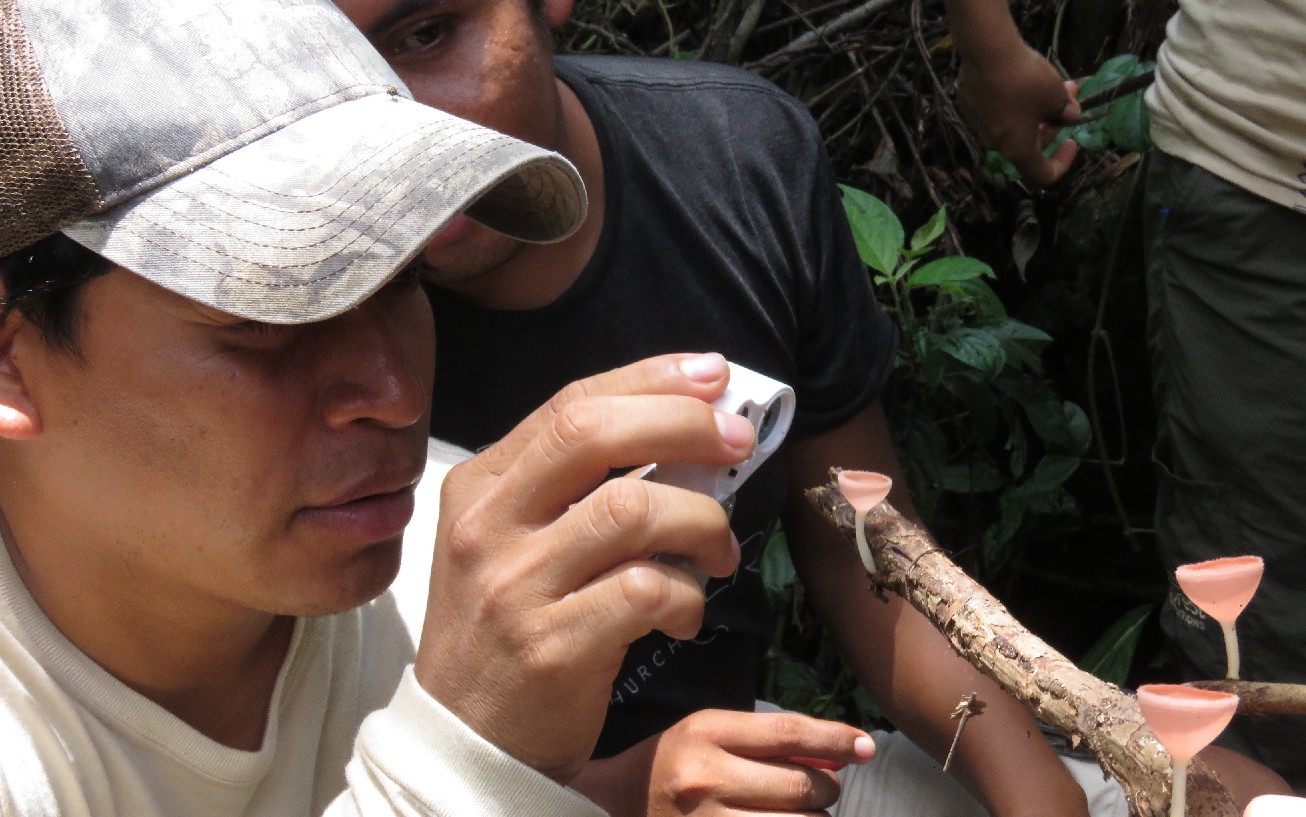
- Botanical and ethnobotanical guiding
- Guiding for groups with special needs
- Conflict resolution
Each course will be adapted to the environment—natural, climatic, and cultural—where the training takes place.
All training is developed by Naturalwalks and is based on the experience of the teaching team and their specialized knowledge in their respective fields.
For longer courses – more than 3 days – the Natural and Cultural Heritage Interpretation Techniques course will be added to ensure a comprehensive overview of the profession, including in-depth knowledge of client interaction techniques.